
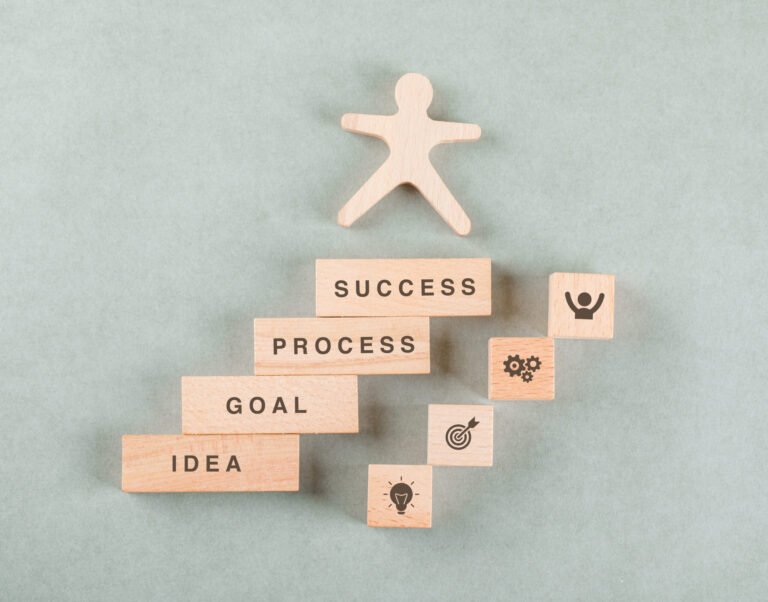
For many young people, personal growth often feels like an idea rather than a lived experience. You set goals, feel motivated for a short time, and then life takes over. Academic demands, financial pressure, family responsibilities, and even fatigue can disrupt the best intentions. Before long, the momentum is gone. This is not usually a problem of ambition. More often, it is a problem of structure. Growth requires more than desire. It needs a system that supports consistent action, even on days when motivation is low. How can this system be built?

- Start with a clear direction
Every meaningful form of growth begins with a sense of direction. It is not just about setting tasks or routines, but about understanding what you are working towards and why it matters. Without this clarity, it becomes easy to drift between efforts without making real progress. Having a clear direction means forming a mental picture of the kind of person you want to become or the kind of life you want to build. For a young person, this could mean deciding to become academically excellent, financially independent, skilled in a particular field, or confident in communication. This vision does not have to be perfect, but it should be strong enough to guide your decisions.
For example, a student who has a clear vision of graduating with strong results and pursuing further opportunities is more likely to take their studies seriously. Someone who wants to build a career in a creative field may begin to pay closer attention to developing relevant skills. A young person who values personal discipline may become more intentional about how they use their time. This sense of direction acts as a foundation. It gives purpose to your actions and helps you stay grounded, especially when motivation fades. Without it, even the best routines can feel empty or difficult to maintain.

- Turn goals into daily actions
Large goals can be inspiring, but they can also feel distant and overwhelming. Progress becomes more realistic when those goals are broken down into small, repeatable actions. A useful way to think about this is the idea that habits shape outcomes over time. In the book Atomic Habits, James Clear explains that small habits, when practiced consistently, compound into significant results. Rather than focusing only on the end goal, the emphasis is placed on building systems that make daily progress inevitable.
If you want to become more confident in public speaking, you might begin by practicing for a few minutes each day, perhaps by speaking in front of a mirror or recording yourself. Someone interested in learning a new skill such as graphic design could dedicate a short period each day to watching tutorials and practicing what they learn. In terms of physical health, something as simple as a consistent twenty minute walk each evening can become a strong foundation for long term fitness. Daily actions may seem small, but over time, they build momentum and create visible change.
- Keep your system simple
One common mistake is creating routines that are too demanding at the start. While enthusiasm can drive intense effort for a short time, it is often difficult to maintain. A more effective approach is to begin with small, sustainable habits. Reading for ten minutes daily is more realistic than planning for an hour and doing nothing. Committing to exercise a few times a week is more sustainable than an unrealistic daily schedule. Even journaling can begin with a few sentences rather than a full page. Simplicity makes consistency possible, and consistency is what drives real progress.
- Create an environment that supports you
Environment plays a quiet but powerful role in shaping behavior. Small adjustments can either support or hinder your efforts. For example, keeping study materials visible and within reach can make it easier to start reading without delay. Reducing distractions, such as limiting phone use during study periods, can improve focus significantly. Someone trying to wake up earlier might place their alarm device away from their bed, forcing them to get up to turn it off. When the environment is aligned with your goals, it reduces the need to rely entirely on willpower.
- Track your progress
Tracking progress helps to reinforce consistency and build awareness. It does not have to be complex. A simple checklist where you mark each day you complete a task can be effective. Others may prefer writing down what they achieved at the end of each day in a notebook or on their phone. Weekly checklists can also help in keeping track of tasks and responsibilities. Seeing visible evidence of effort, even in small amounts, can be encouraging and help sustain momentum.
- Accept that some days will be difficult
Even with a well structured system, there will be days when motivation is low. This is a normal part of the process, not a failure. What matters is maintaining some level of consistency. On difficult days, reducing the workload can help. A student who cannot manage a full hour of study might still complete twenty minutes. Someone who cannot do a full workout can engage in a shorter routine. Even reading a few pages instead of skipping entirely keeps the habit intact.
Consistency is strengthened by the ability to continue, even at a reduced level.

- Reflect and make adjustments
Growth is not a fixed process. As circumstances change, your structure should also evolve. Taking time at the end of each week to reflect can be helpful. You may notice which habits were easy to maintain and which felt unrealistic. Adjustments can then be made, such as reducing the duration of certain activities or shifting them to more convenient times of the day. For example, if you find that you are more productive in the morning, it may be beneficial to schedule demanding tasks earlier. Regular reflection ensures that your system remains practical and relevant.

For many people navigating different stages of life, growth can feel uncertain and sometimes overwhelming. However, it becomes more manageable when supported by a clear and practical structure. It is not necessary to do everything at once. What matters is building a simple system that encourages consistent effort. Over time, small and steady actions develop into meaningful progress, shaping both character and future opportunities.
Written By: Enioluwa Falodun